

Materials scientist bridging nanoscience & computation — synthesizing defect-engineered materials, building open-source characterisation tools, and automating everything in between.
I sit at the intersection of materials chemistry and computational engineering. My doctoral work explores defect-engineered titania — particularly black TiO₂ — for photocatalytic remediation of pharmaceutical contaminants, while simultaneously investigating high-entropy perovskites for thermoelectric applications.
Alongside lab research, I build the tools that make materials science faster: CLI utilities for XRD analysis, band-gap estimation, pollutant kinetics — all open-source on GitHub. I'm also deeply interested in automated data-acquisition systems, IoT instrumentation, and AI-augmented workflows for scientific research.
From sol-gel synthesis to full-stack automation — a multidisciplinary toolkit built across a decade of research and engineering.
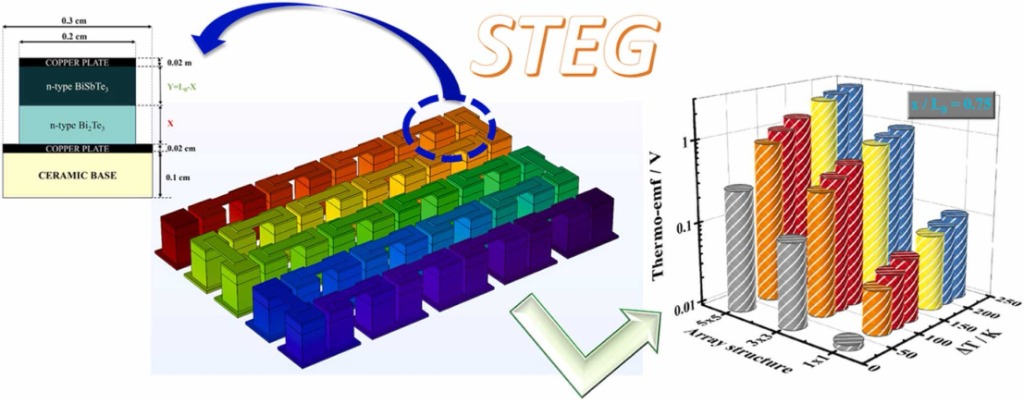
High-entropy materials, thermoelectric development, environmental remediation catalysts, advanced XRD & UV-Vis characterisation.
Scientific computing, data analysis pipelines, desktop and web app development for instrument control and visualisation.
Simulation, finite-element analysis, DFT, and advanced data processing for materials property extraction.
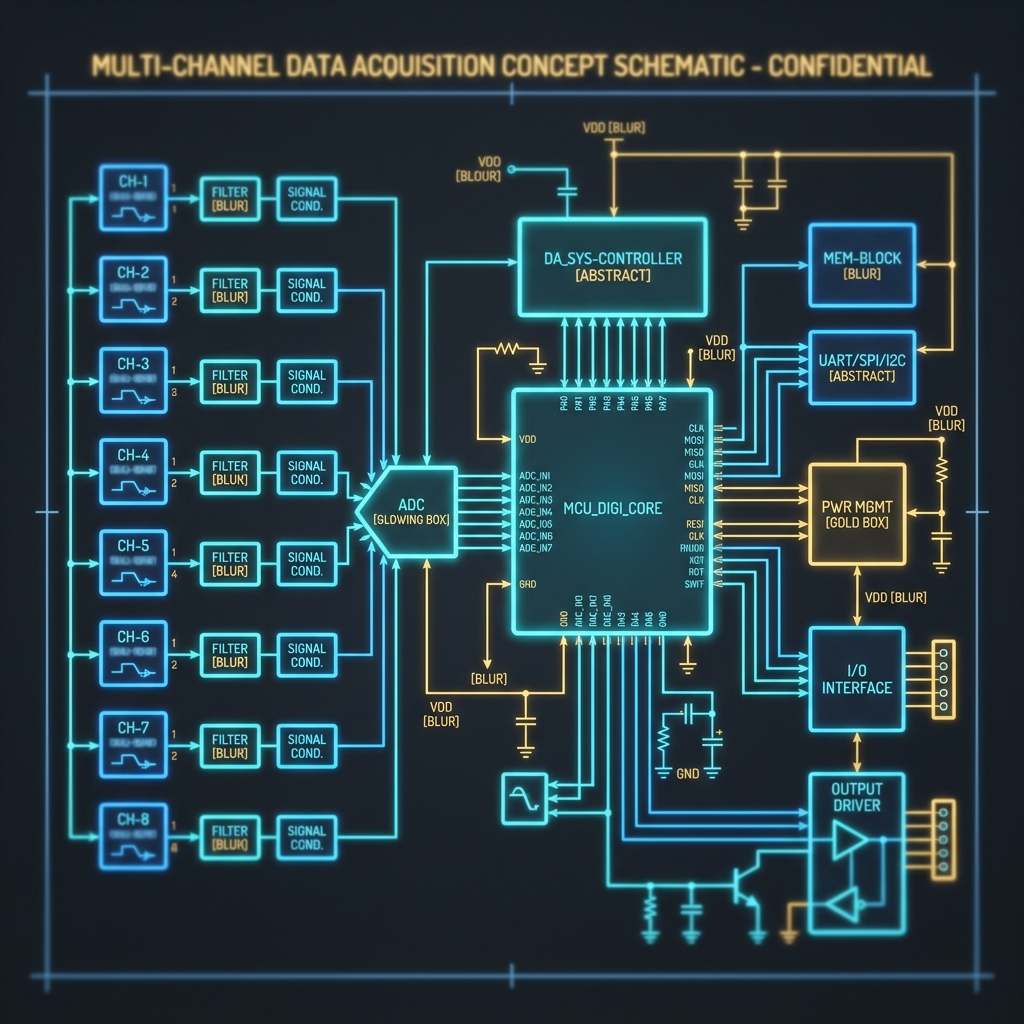
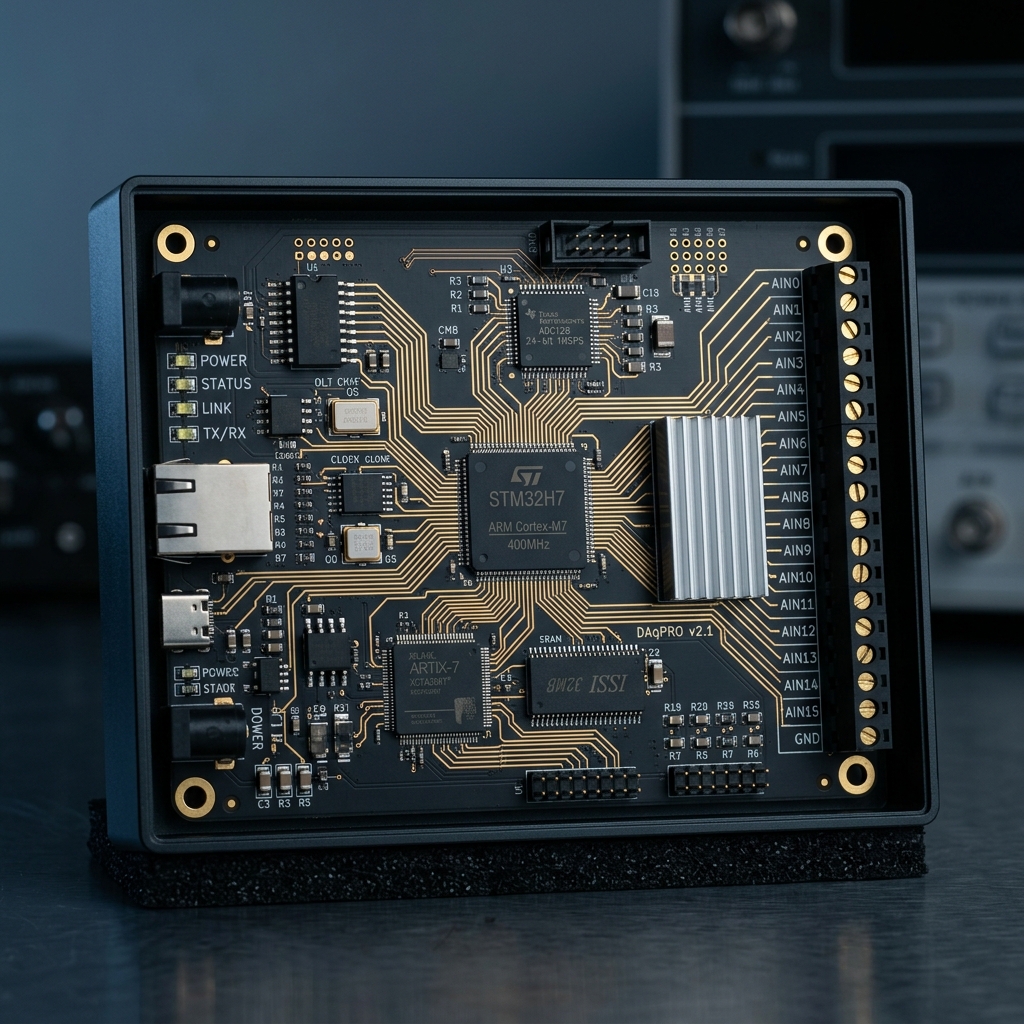
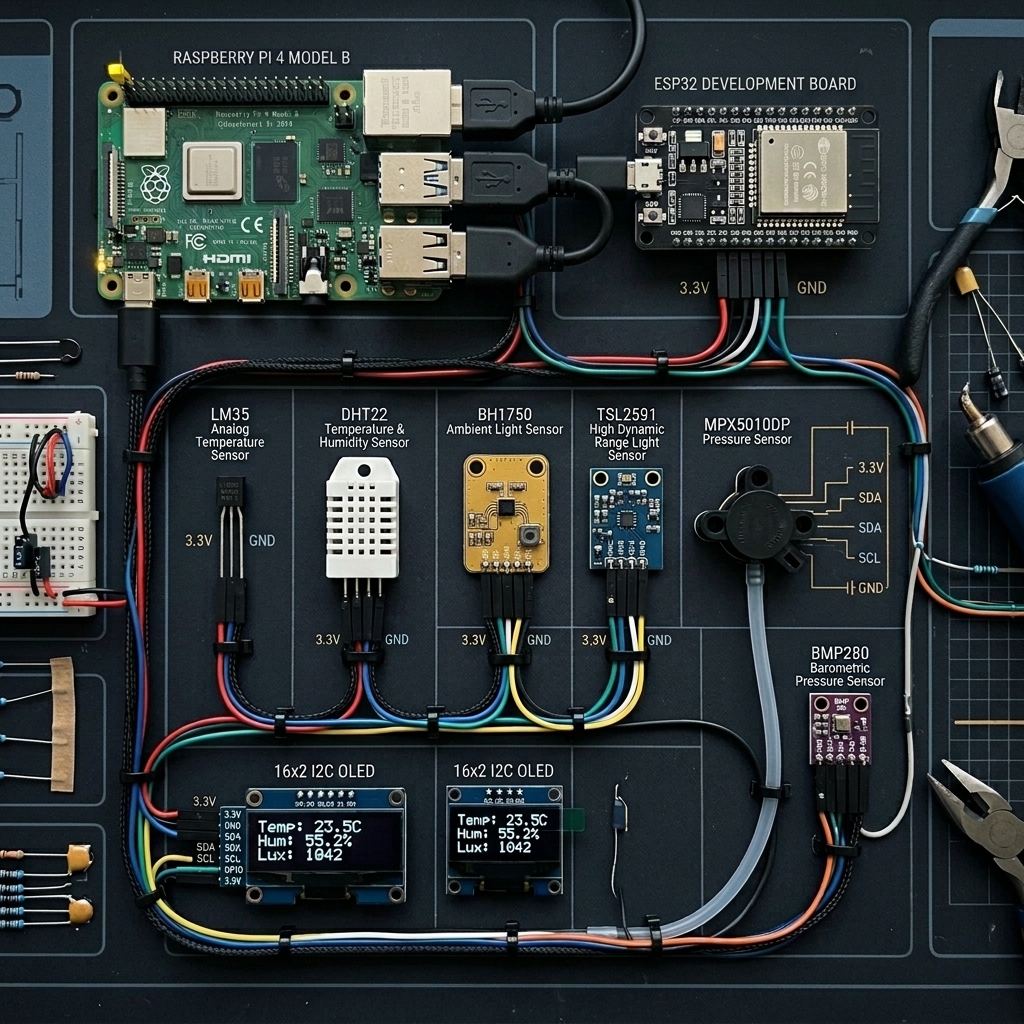
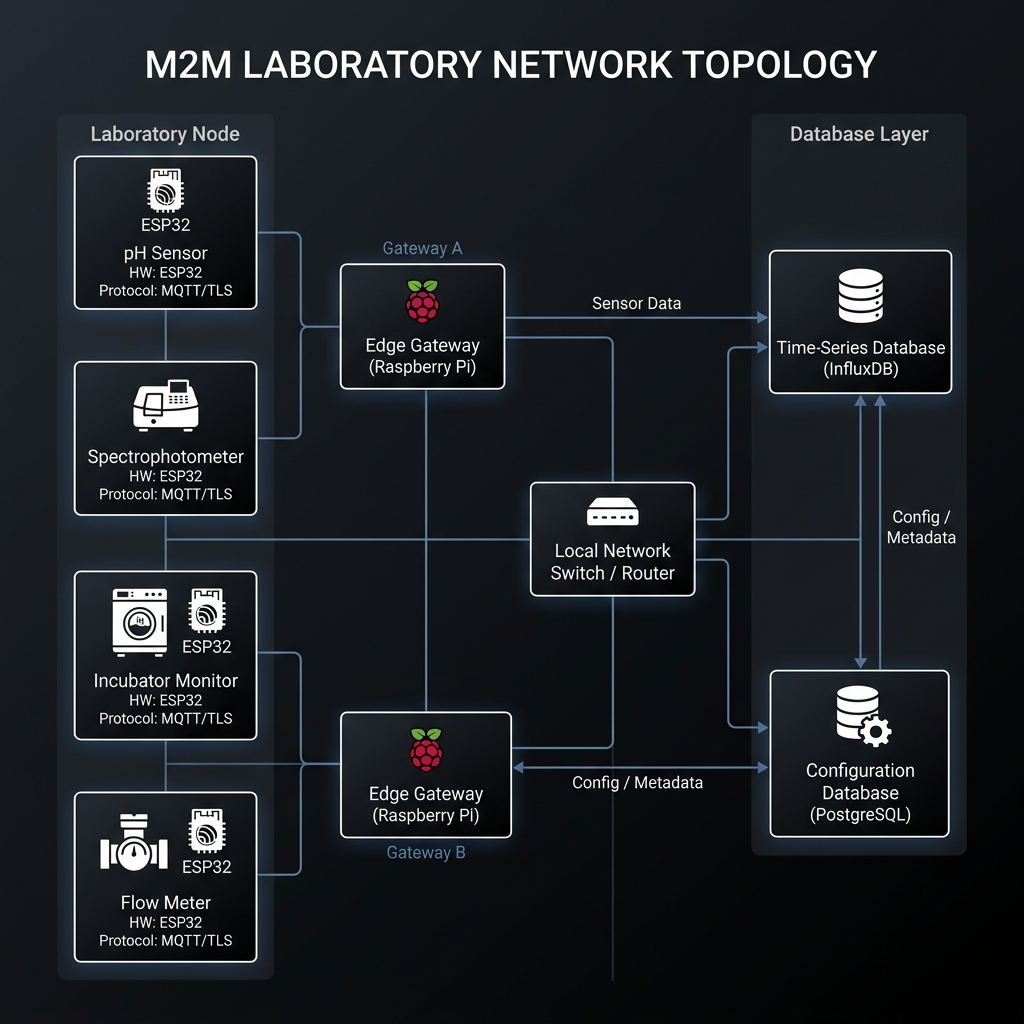
Embedded systems for DAQ, sensor interfacing, automated experimental rigs, and AI-augmented data workflows.
Tools built for the materials science community — freely available, CLI-first, and designed to make characterisation faster.
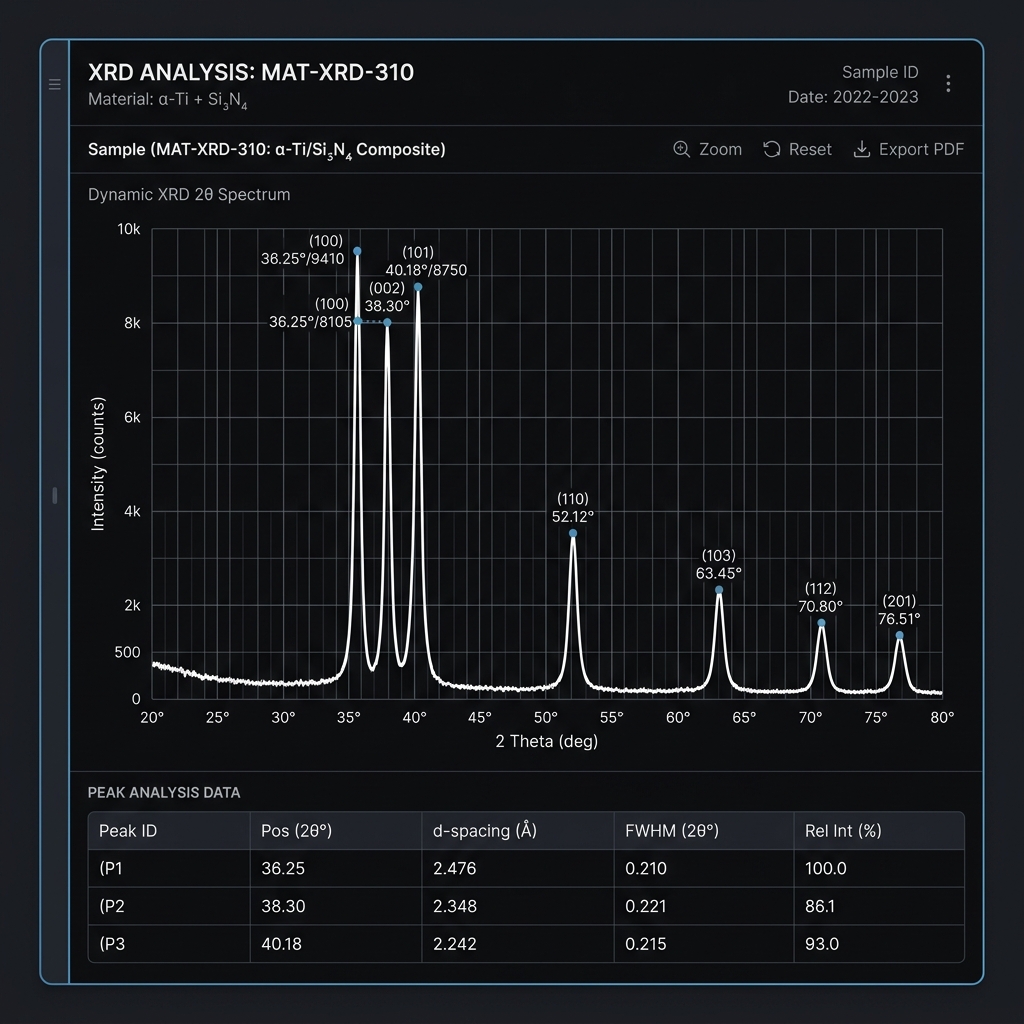
CLI tool for rapid preliminary analysis of powder X-ray Diffraction (XRD) data — designed for quick initial screening of synthesised materials.
Estimate optical band gap energy from UV-Vis spectroscopy data using the Tauc plot method. Fast, scriptable, reproducible.
Rapid approximate estimates for density, lattice parameter, and thermal conductivity of High Entropy Alloys based on elemental composition.
Streamlit app for fitting and visualising pseudo-first-order kinetic models in photocatalytic degradation studies with real-time plotting.
Web-based application for automated phase identification from XRD data, offering a clean UI for researchers and material scientists.
Next.js + Tailwind web visualisation tool for XRD data — fast, interactive, and built for researchers who need publication-ready plots.
Original, manually written explainers drawn from my laboratory and software-building experience. These notes translate specialist workflows into practical starting points for students and researchers.
A grounded introduction to oxygen vacancies, visible-light response, and the measurements that separate promising samples from misleading colour changes.
Read the field note →A practical sequence for cleaning, inspecting, and documenting diffraction data before assigning phases or exporting publication-ready plots.
Read the workflow →How focused utilities improve repeatability, protect unpublished data, and reduce the friction between an instrument export and a defensible result.
Read the perspective →Doctoral work spanning environmental nanotechnology, high-entropy materials, and next-generation energy materials.
I'm interested in collaborations at the intersection of materials characterisation, data science, and sustainable technology. Whether you're working on photocatalysis, thermoelectrics, environmental remediation, or building open tools for science — let's talk.
Currently: PhD, Jadavpur University · AICTE Doctoral Fellow